Camping Power Supply
Choose a camping battery from a weekend energy budget, outlet requirements, carry weight and a realistic recharge plan.
Find the right power station for your campsite or home essentials. Compare published specifications, estimate runtime and understand the limits before you buy.
Research-based guides. Clearly labeled estimates.
How we work
Capacity × 0.85 ÷ load. A constant-load estimate, before a separate backup allowance. Check output and startup limits.
Open the full runtime calculatorStart with the essentials you need to keep running. Our guide compares three portable systems by stored energy, output and solar recovery.
Read the home backup guideChoose a camping battery from a weekend energy budget, outlet requirements, carry weight and a realistic recharge plan.
Compare short, high-power cooking with long, low-power cooking. Size the inverter and battery separately.
Understand LFP, cycle-life claims, cold charging and usable energy before comparing portable solar generators.
600 v2 vs 600 Plus, camping energy budgets and CPAP runtime estimates. Identify the model before comparing the deal.
Big Berkey sizing, Black Berkey vs Phoenix elements, certification scope and the cost of ownership.
A useful power plan starts with your devices, how long you need them and how you can recharge.
Build a solar energy budgetPlan overnight energy, approved adapters and a backup allowance.
Separate compressor startup from energy used over a full day.
Budget appliances, battery capacity and solar charging together.
Build a load list for refrigeration, lights and communication.
Check startup requirements and the cost of sustained cooling.
A larger inverter does not add battery energy.
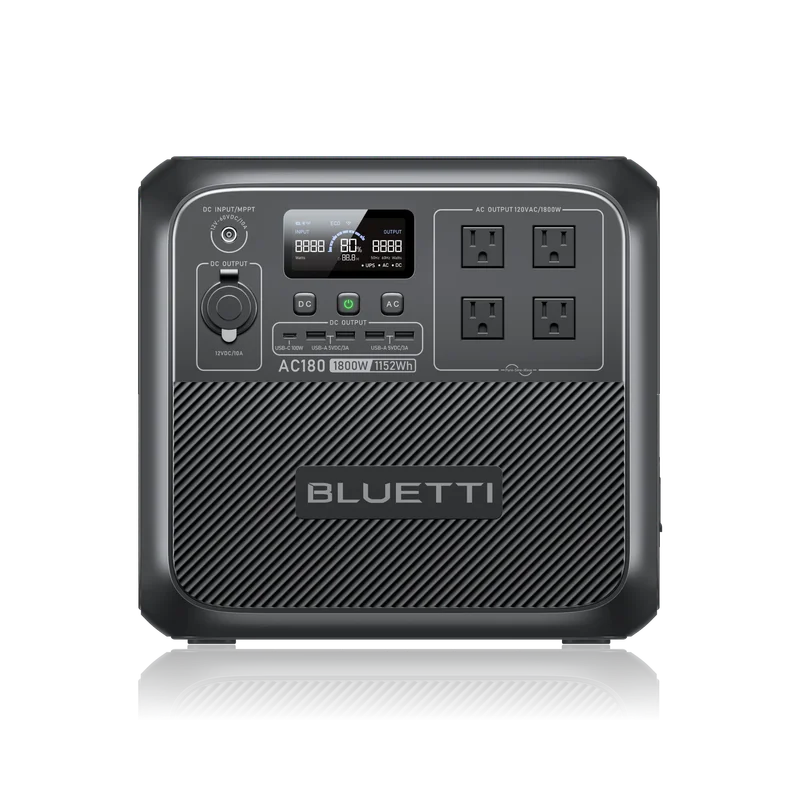
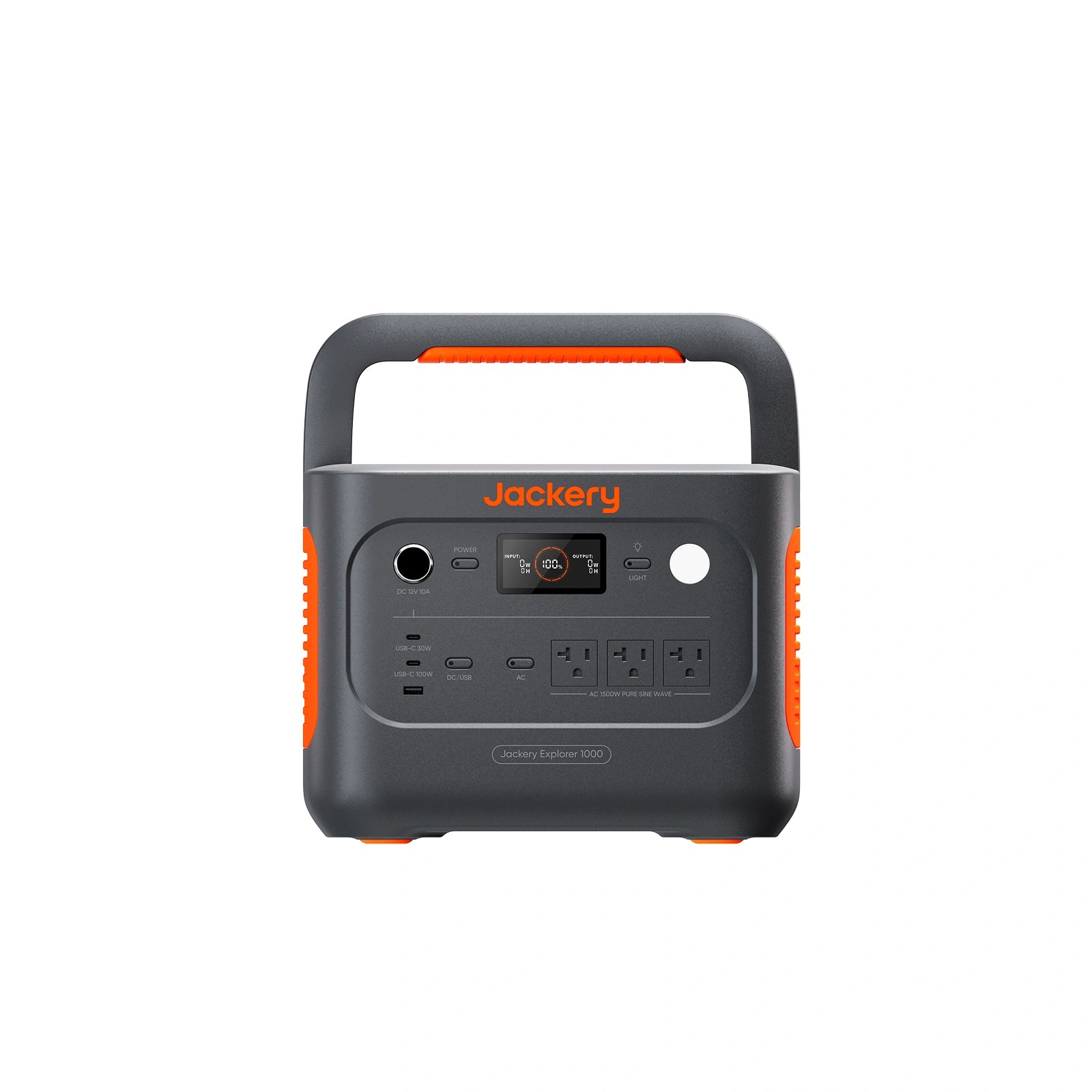
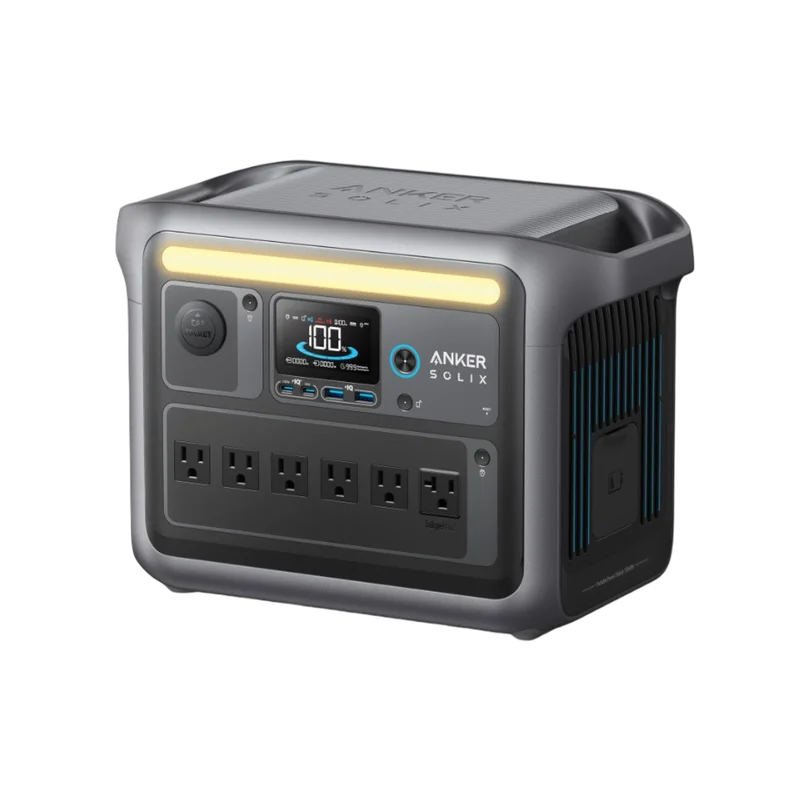
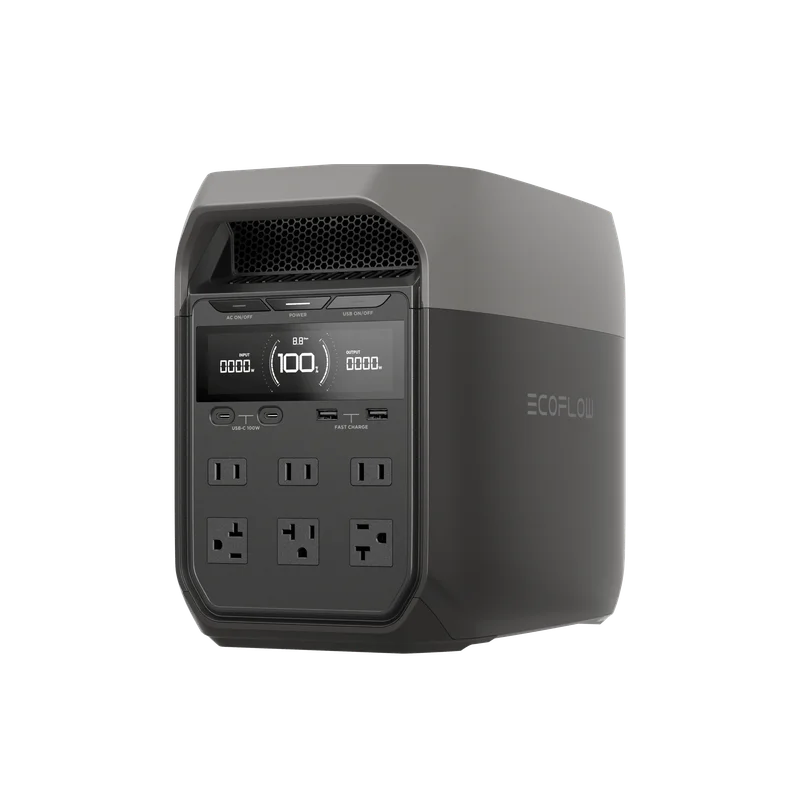
Manufacturer specifications are the starting point. Calculations show their assumptions; example loads are identified. Check each page’s sources and date, then confirm the exact model before buying.
Our sources and calculation methodOur tools use a shared 0.85 usable-energy assumption. They do not model temperature effects, battery aging or every device’s startup behavior. Actual runtime can differ.
Current prices, stock and warranty terms should be confirmed with the seller.
Our starting estimate is nominal battery capacity in Wh × 0.85 ÷ total load in W. A 1024 Wh battery at a constant 100 W gives about 8.7 hours. This uses a composite usable-energy assumption, not a measured efficiency for every station. Check inverter limits, startup demand and your own device draw separately.
Add the energy your devices use over the period without recharging, then allow for conversion losses and an explicit backup margin. Check simultaneous power and startup demand separately. Solar charging also depends on compatible panels, placement and weather.
Our current guides compare published specifications and explain calculated estimates. We do not publish independent product measurements. Each buying guide lists its sources and check date; illustrative loads and calculation assumptions are labeled.